


Mediterranean cuisine is a celebration of fresh ingredients, bold flavours, and centuries-old traditions.
Renowned worldwide for its health benefits and irresistible taste, this culinary style blends influences from Greece, Italy, Spain, and beyond, creating dishes that are as diverse as the cultures behind them.
There’s no better way to immerse yourself in these authentic flavours than on a Mediterranean cruise. With Fred. Olsen Cruises, you can journey to picturesque ports, have the chance to savour local delicacies, learn about regional specialities, and experience the rich cultural heritage that makes Mediterranean cuisine so extraordinary.
Mediterranean cuisine explained: Ingredients & traditions
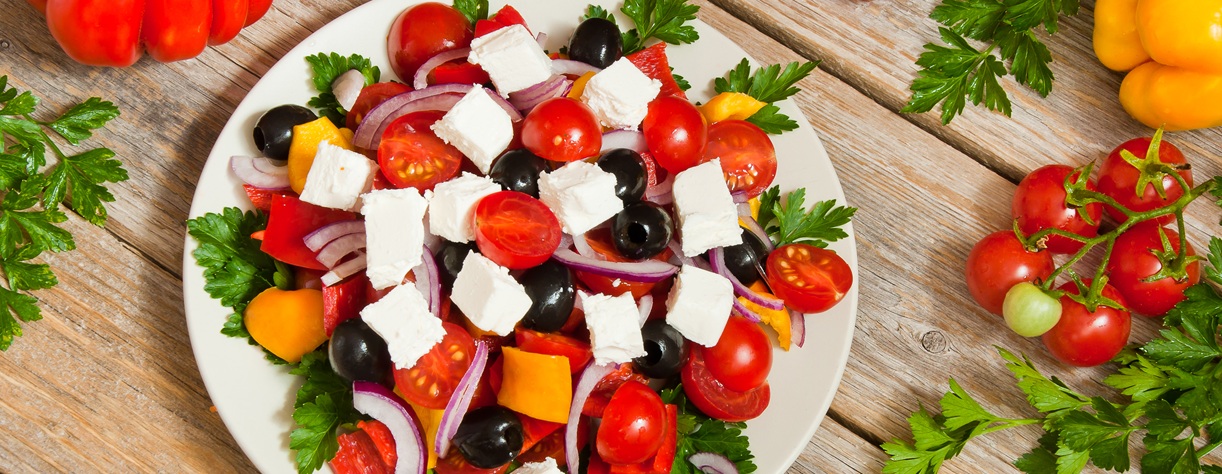
Mediterranean cuisine is seen as more than just a style of cooking; it’s regarded as a way of life rooted in balance, freshness, and simplicity.
The Mediterranean diet is recognised worldwide for its health benefits and flavours. It emphasises wholesome, natural ingredients and mindful eating, making it one of the most admired culinary traditions in the world.
The Mediterranean diet focuses on:
- Plant-based foods: Fresh vegetables, fruits, legumes, and whole grains form the foundation.
- Healthy fats: Olive oil is the star ingredient, prized for its rich taste and nutritional value.
- Lean proteins: Fish and poultry are preferred over red meat, offering lighter, heart-friendly options.
- Herbs and spices: Aromatic seasonings like garlic cloves, oregano, and thyme add depth without relying on heavy sauces.
This combination creates dishes that are both nourishing and full of character, whether it’s a simple Greek salad drizzled with olive oil or a Spanish seafood paella infused with fragrant herbs.
Iconic Mediterranean dishes you must try
There are some signature dishes that reflect local traditions and fresh ingredients. Here are some must-try Mediterranean dishes:
Greek Salad
A true icon of Mediterranean cuisine, the Greek salad is all about freshness. It is a combination of crisp cucumbers, juicy tomatoes, briny olives, and creamy feta cheese, drizzled with extra-virgin olive oil and sprinkled with oregano.
It’s often a side dish for a light lunch, or it is eaten as a starter to any meal.
Moussaka
If you want something heartier, consider the popular moussaka. This is a comforting baked dish layered with roasted vegetables, minced meat, and a silky béchamel sauce.
This classic Greek favourite is rich in flavour yet balanced, making it a must-try for anyone seeking authentic Mediterranean comfort food.
Spaghetti Aglio e Olio
Simple yet irresistible, spaghetti aglio e olio is a staple of Italian home cooking. This traditional Italian pasta dish originated in Naples, and is known for being a flavourful and quick recipe to make.
Made with just a few ingredients such as garlic cloves, olive oil, and a hint of chilli, it’s proof that great flavour doesn’t require complexity. Plus, it’s easy to adapt into a gluten-free version without losing its charm.
Risotto
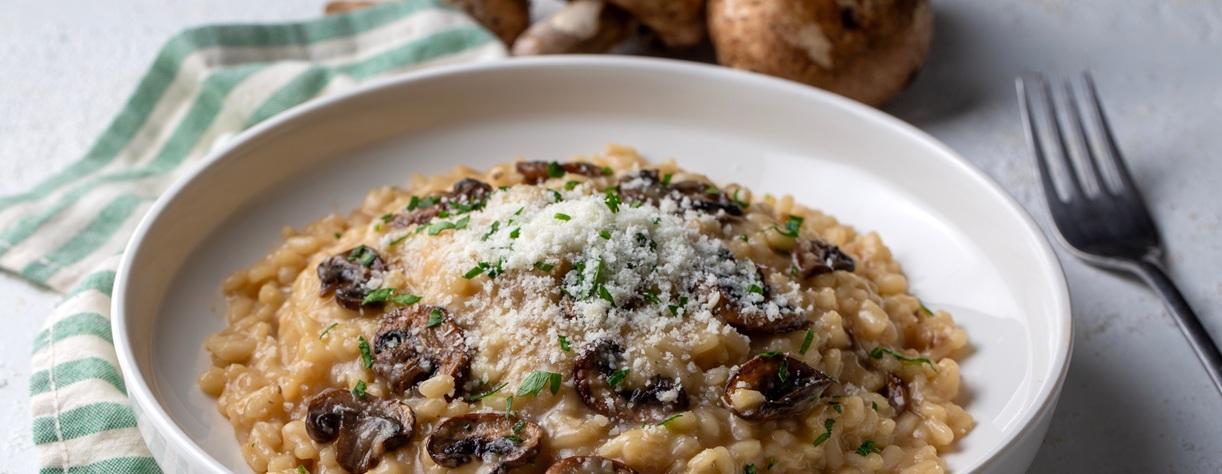
Creamy and indulgent, risotto is another Italian masterpiece. Slowly cooked with stock and finished with parmesan, this dish can be infused with seasonal vegetables or seafood for added depth.
It’s a perfect example of Italy’s dedication to quality ingredients and cooking.
Deborah from the blog Italian Food Forever, talks about the perfect risotto: “You could, in fact, eat a different risotto recipe every day of the year, and not run out of flavour choices. A true Italian risotto should be creamy, yet not runny, cooked to a consistency Italians call all’onda, which translates as ‘with waves’. Although the cooking time may vary with the rice used, or the temperature it is cooked over, risotto is done when each individual grain remains slightly firm to the bite.”
Turkish Meze
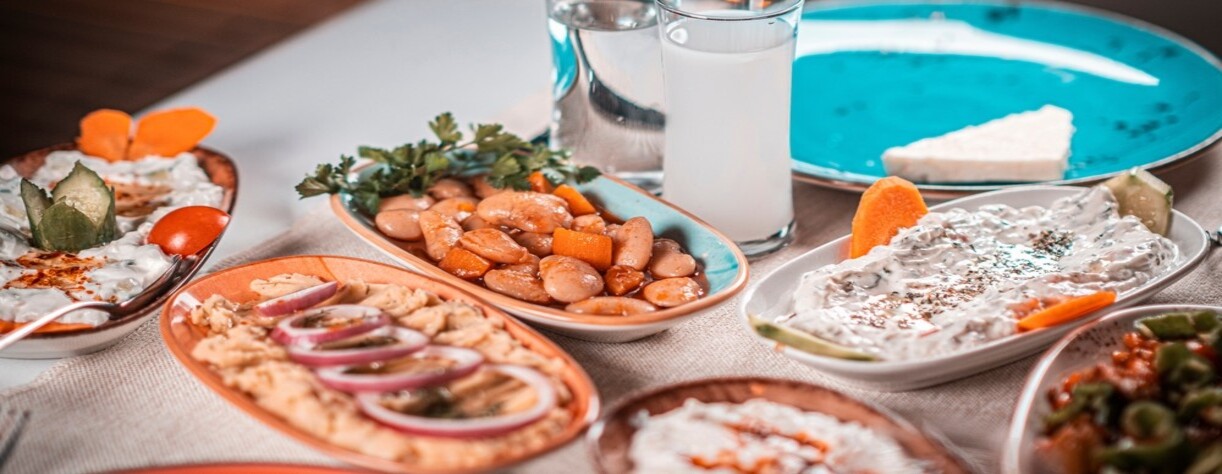
A Turkish meze platter is a feast for the senses. Featuring an array of small dishes, like hummus, stuffed vine leaves, and roasted vegetables, it’s ideal for sharing and sampling a variety of flavours. Meze embodies the social spirit of Mediterranean dining.
Moroccan Tagine
Slow-cooked to perfection, the Moroccan tagine is a fragrant stew of tender meat, vegetables, and warming spices like cinnamon and cumin.
Traditionally served with fluffy couscous, this dish is a comforting showcase of North African culinary heritage.
What regional Mediterranean specialities to try in each port
Mediterranean cuisine varies widely from port to port, as each country has been shaped by climate and centuries of local tradition. So, when exploring each region, you'll have the chance to taste dishes deeply tied to place and foods that locals have cooked and shared for generations.
Greece
Greek cuisine is mainly built around the use of fresh produce, so when visiting its coastal ports, you will find calamari, octopus, or delicious fish dishes cooked simply with lemon and herbs, which are the stars of the show.
However, it isn’t just a plethora of fresh seafood you will find in Greece, but also small plates, more commonly known as mezze. These types of dishes are a large part of Greek dining and often include dolmades (stuffed vine leaves), tzatziki, hummus, and saganaki (fried cheese).
For those looking to delve into Greek cuisine but want something a little more substantial, moussaka and pastitsio are classic Greek meals that show the comforting side to the country's home cooking.
Italy
Italian food is maybe the most spoken about in the world, and with good reason, too. However, nothing quite compares to eating it in Italy itself. Coastal areas are known for seafood pasta, such as spaghetti with clams or prawns, and risotto made with local fish.
Bakeries in Italy offer irresistible staples like focaccia, ciabatta, and filled pastries. In many ports, you’ll also find iconic but straightforward dishes such as margherita pizza, arancini, and locally made gelato, each reflecting regional ingredients and traditions.
Spain
Spanish cuisine is ideal for those who enjoy sampling a variety of flavours, and, with tapas central to eating in this country, you may be spoilt for choice. Tapas is a classic Spanish staple and often includes dishes such as patatas bravas, gambas al ajillo (garlic prawns), jamón ibérico (cured ham), and fried anchovies, among others.
In coastal regions of Spain, you will find traditional paella, featuring fresh seafood and saffron, offering a taste of Spain’s culinary coastal heritage.
Morocco
In Morocco, you will find that there are richer spices and slow-cooked techniques when compared to other Mediterranean regions. Tagine is one of the country's most iconic dishes, where meat, vegetables and spices are gently simmered for hours to create a delicious, warming dish. Couscous is also a staple, which is often served with meat and vegetables.
Morocco blends sweet and savoury combinations, with ingredients such as dried fruits, almonds, and cinnamon used throughout recipes, adding warmth and depth to many of the dishes, creating an infusion of flavours.
Turkey
Turkish cuisine will provide you with generous portions, bold flavours and an array of mouthwatering dishes for you to try. One of Turkey’s most famous dishes is meze, which includes stuffed peppers, yoghurt dips, and aubergine salads, usually served with freshly baked bread. Turkey is also home to delicious grilled dishes such as kebabs and kofte, and baklava and strong Turkish coffee are both the perfect way to end a meal.
Cooking Methods & Cultural Stories
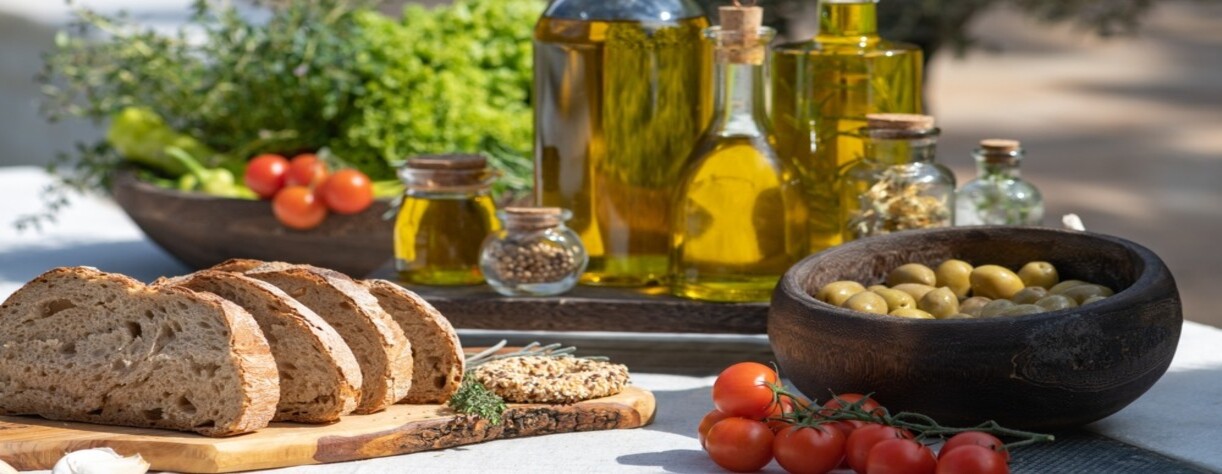
Mediterranean food is just as much about tradition as it is about taste, and across the region, the methods used to cook have centred around local ingredients, the climate and even everyday life, with baking, grilling, and slow cooking forming the backbone of many of the classic dishes.
Grilling Along The Coast
Grilling is a way of life in coastal areas, where fresh fish and seafood are often cooked simply over open flames. There is little need for heavy seasoning when the ingredients are this good; just olive oil, lemon, and a handful of herbs are enough.
This type of food is what you will find served in relaxed waterfront restaurants when in Greece, Italy, and Spain, where meals are unhurried and relaxing, bringing the atmosphere from the ocean straight to the table. Many coastal ports known for seafood are featured on our itineraries, making it easy to experience this style of cooking firsthand.
Baking For Comfort and Sharing
When it comes to baking, this plays a more homely role within Mediterranean cuisine, from Italian bread and focaccia to Greek savoury pies filled with vegetables, cheese, or herbs, oven-cooked dishes are often about comfort and sharing in this part of the world.
Many of the recipes from this part of the world tend to be practical rather than precise and are shaped by what families had to hand at the time, making them unique. Even today, when walking through some of the older towns, the smell of bread or pastries drifting from bakeries can feel like a link to generations of everyday cooking.
The Art of Slow Cooking
Slow-cooked dishes tell another side of the Mediterranean story, as in places like Morocco and Turkey, many dishes are gently simmered for hours, allowing every flavour to develop.
Together, these cooking methods show why Mediterranean cuisine feels so memorable, as its food is shaped by place, history, and people and is best enjoyed slowly, with good company, and often with a story behind every dish.
Why Pair Your Culinary Adventure with a Cruise?
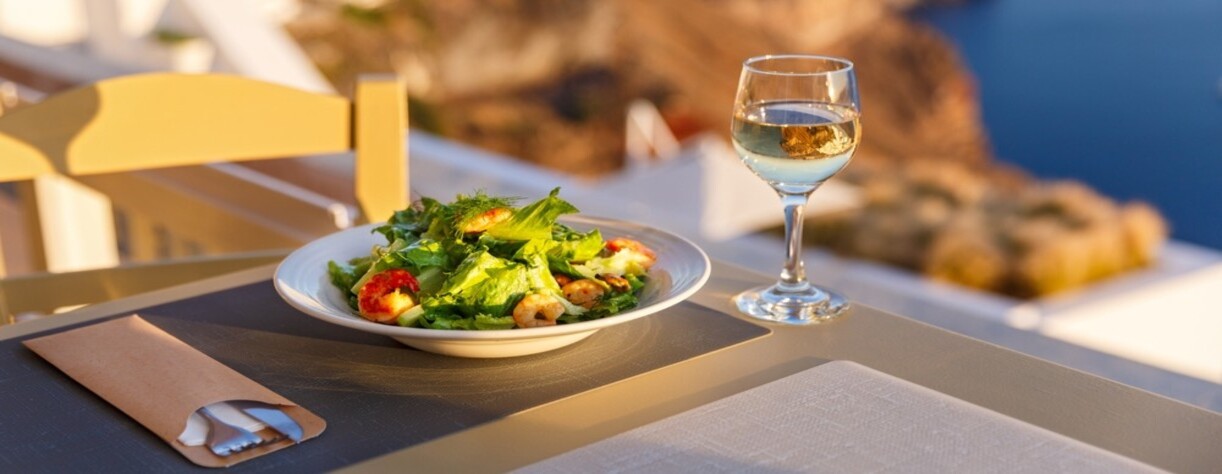
Exploring Mediterranean cuisine is as much about where you eat as what you eat, and travelling by sea allows you to experience both effortlessly with Fred. Olsen’s thoughtfully planned itineraries. Each destination will bring a new culinary chapter, from coastal towns known for freshly grilled seafood to historic cities where baking and slow-cooked dishes remain part of everyday life.
A Mediterranean cruise lets you move seamlessly between regions, sampling authentic flavours without the rush of constant packing or transfers. Whether you’re looking at 2026 cruises, looking for the ease of a fly cruise, or taking advantage of last-minute cruise deals, it’s a relaxed and rewarding way to travel. Explore authentic flavours on a Mediterranean cruise with Fred. Olsen and savour every bite of this culinary journey, one destination at a time
FAQS on Mediterranean Cuisine
What are the key ingredients in Mediterranean food?
Mediterranean cooking centres on olive oil, fresh vegetables, herbs, grains, legumes, seafood, and seasonal produce. Ingredients such as tomatoes, garlic, onions, citrus, olives, and yoghurt are widely used.
Which Mediterranean dishes should I try on a cruise?
Popular dishes to look out for include grilled seafood in Greece, seafood pasta or risotto in Italy, tapas and paella in Spain, tagines and couscous in Morocco, and meze with grilled meats or vegetables in Turkey.
Is Mediterranean food healthy?
Yes, Mediterranean cuisine is widely regarded as healthy, as it focuses on fresh, minimally processed ingredients.
How does Mediterranean cuisine vary by region?
Mediterranean food changes as you move from one place to another. Along the coast, meals tend to be lighter and centred around fresh seafood, while further inland, you will often find heartier, slow-cooked stews and oven-baked dishes. Flavours shift too, with parts of North Africa and the eastern Mediterranean known for warmer spices and deeper, more aromatic seasoning.
Can I find vegetarian options in Mediterranean cuisine?
Absolutely. Many Mediterranean dishes are naturally vegetarian, including mezze, salads, vegetable stews, bean-based dishes, pastries, and breads. The cuisine’s strong focus on vegetables, pulses, and grains makes it well-suited to vegetarian diets.
Discover the Mediterranean on a Fred. Olsen Cruise
As we have explored in this guide, the Mediterranean is a beautiful region, and it is a haven for foodies. The cuisine in the Mediterranean is seen as an experience that offers insight into the area's culture and traditions.
For more travel articles and guides like this, make sure you explore our blog; it’s jam-packed with cruising inspiration.