


Stretching along the sun-drenched eastern shores of the Adriatic Sea lies the picturesque Dalmatian Coast. With its blend of crystal-clear coves, ancient cities, and pine-fringed islands, this enchanting region remains wonderfully unspoilt.
From the historic city of Dubrovnik to the stunning lavender fields of Hvar, the different destinations along the coast are bursting with culture, history and natural beauty.
Sailing aboard a Fred. Olsen cruise, you’ll uncover the very best of the Dalmatian Coast. In this guide, you can find out everything you need to know about exploring the region, from the best sailing routes on a Croatia cruise to when the best time to visit is.
What is the Dalmatian Coast?
The Dalmatian Coast is a breathtaking section of coastline that stretches along the eastern shore of the Adriatic Sea, the larger body of water separating the Italian peninsula from the Balkans.
The coast is renowned for its natural beauty, limestone cliffs, soaring mountains to the north, along with its stunning beaches and seas. There are also medieval towns and cities dotted along the coastline.
The name "Dalmatian" originates from the ancient Roman province of Dalmatia, which once encompassed a significant portion of the region. Today, you can still see the Roman heritage as you visit this beautiful area.
Which countries are on the Dalmatian Coast?
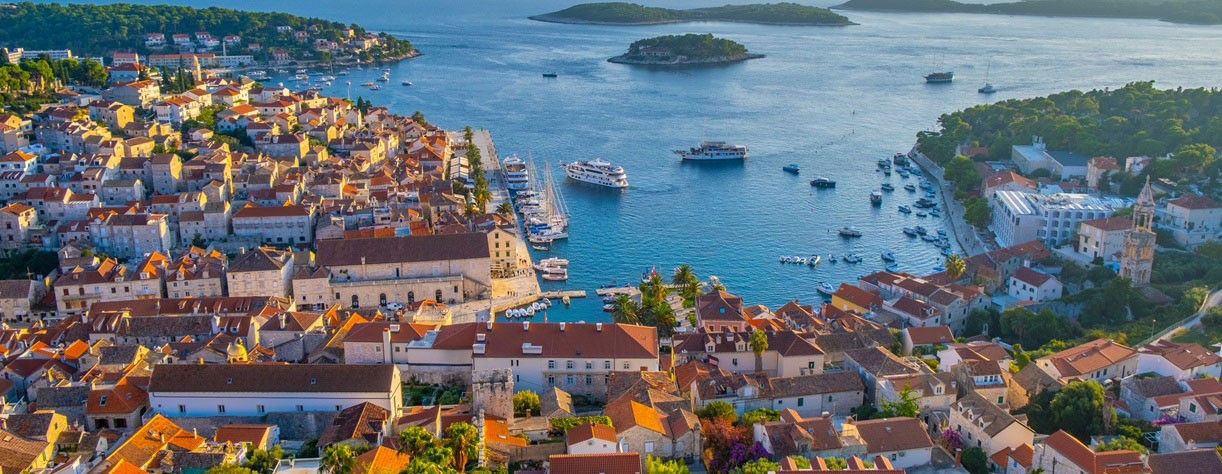
The Dalmatian Coast is primarily in Croatia, but it also extends into Montenegro and Bosnia and Herzegovina, making it a fascinating meeting point of histories and cultures.
Stretching over 230 miles, the Dalmatian Coast starts at the Kvarner Gulf, nestled between Rab Island and the Istrian peninsula in Croatia, to the narrows of Kotor in Montenegro.
There are major towns and cities along the coast, including Sibenik, Trogir, Split, Makarska Riviera, and Dubrovnik, also known as the ‘Pearl of the Adriatic’. There are also several Dalmatian Islands, including the Kornati Archipelago off Zadar, Brac, Hvar, Vis, Korcula, and Mljet, all of which are impossibly beautiful.
Why Cruise the Dalmatian Coast with Fred. Olsen?
Going on a Dalmatian Coast cruise is one of the most relaxing and rewarding ways to explore the region, and with Fred. Olsen, we have itineraries that are tailored for discovery and comfort every step of the way.
It’s easy to discover multiple destinations on a cruise, giving you the opportunity to really unlock the Dalmatian Coast. Explore lesser-known ports which are accessible only to smaller ships, such as Šibenik, part of the Kornati archipelago, with its charming hidden alleys and crystal-clear waters, and take in iconic cities like Dubrovnik and Split.
You can enjoy thoughtfully crafted Shore Tours that will bring the Dalmatian Coast’s history, culture and natural beauty to life.
Onboard, you’ll enjoy a relaxed atmosphere, spacious cabins, a fantastic selection of expertly prepared delicious dishes, and spas that provide soothing surroundings.
If you want to explore the hidden gems of the Adriatic without the crowds, a Dalmatian Coast cruise with Fred. Olsen offers you the perfect balance.
What destinations will you visit on Dalmatian Coast cruises?
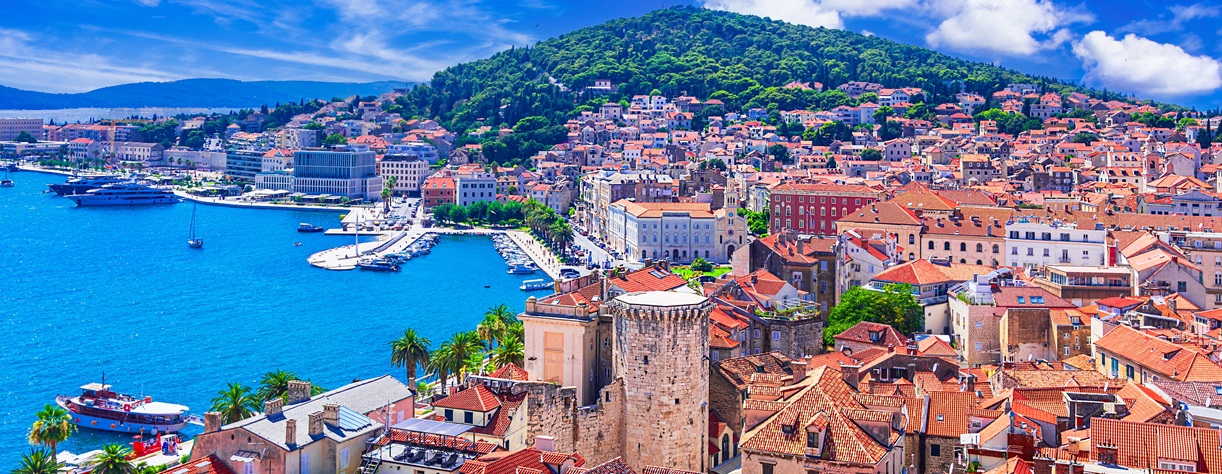
Discover some of the picturesque destinations you can visit on a Dalmatian Coast cruise with Fred. Olsen:
- Kotor: One of the best-preserved medieval towns in the Adriatic. Located on the beautiful Bay of Kotor, the town is framed by steep mountain peaks and rocky shorelines. When here, you can explore the Old Town, the Romanesque Cathedral of Saint Tryphon, and Lovcen National Park.
- Dubrovnik: Known as “The Pearl of the Adriatic,” you can explore a UNESCO-listed old town, ancient city walls, baroque buildings and see its Game of Thrones filming locations. You can also ride on the city’s cable car to Srdj Hill, which offers beautiful views of the city and the surrounding area.
- Sibenik: Lesser known than the cities of Split and Dubrovnik, Sibenik is located within one of the best-protected harbours found in the Adriatic region, and boasts spectacular surrounding landscapes. The city is renowned for its white-washed, terracotta-topped buildings and the UNESCO-listed Sveti Jakov, one of Croatia’s most important Renaissance-era landmarks.
- Split: The city of Split is home to picturesque beaches and a vibrant waterfront area. The old-town area of the city is protected by the UNESCO-listed medieval walls of Diocletian’s Palace. You can wander through the cobbled streets, alleyways, and courtyards and admire the perfectly preserved Roman architecture of St. Dominus Cathedral and Narodni Trg, the People’s Square. A short trip out of the city makes it possible to witness the impressive Krka waterfalls.
- Hvar: Widely regarded as one of the most beautiful places on earth, Hvar is known as the Queen of the Dalmatian Islands. It boasts beautiful sandy beaches, untouched lagoons, and a rich history of Mediterranean tradition, history, and architecture. With pine groves, lavender fields, medieval churches and fortresses, and a network of walking trails, you will love exploring this picturesque island.
- Zadar: The oldest continually inhabited city in Croatia, Zadar is located on the northern Dalmatian coast. In addition to its impressive architecture and narrow, marble-lined streets, it serves as a gateway to Krka National Park, a region renowned for its waterfalls, diverse plant life, and abundant wildlife.
ALSO READ: The Coastal Culture Capitals of the World
What are the best beaches on the Dalmatian Coast?
The Dalmatian Coast is home to some of the Adriatic’s most spectacular beaches that boast clear turquoise waters, white sand and towering cliffs. Here are just a few spectacular beaches along the Dalmatian Coast:
- Banje Beach: Located in Dubrovnik, this beach offers you the rare chance to swim just steps from a UNESCO-listed Old Town.
- Dubovica Beach: The crystal-clear waters and unspoiled beauty of this pristine bay on Hvar Island make it the perfect spot for swimming and snorkelling. There are also hidden coves on Hvar that are perfect for peaceful dips and quiet moments.
- Bacvice Beach: This is Split's most popular beach, renowned for its sandy shores and shallow waters, making it an ideal spot for swimming.
When is the best time to go to the Dalmatian Coast?
Whilst being a great destination to visit year-round, if you want to enjoy warm weather and fewer crowds, the best months are April, September and October, as these are the shoulder seasons for the region.
The peak season for the area runs from July to August, and during these couple of months, you can expect warm, dry weather, but places to be busier.
ALSO READ: What To Do On Board a Cruise Ship
Book your Dalmatian cruise today
Cruising along the Dalmatian Coast is a trip that you will not forget, as you will see unspoilt natural beauty, visit UNESCO World Heritage Sites in ancient cities, and enjoy views of limestone cliffs and soaring mountains from the deck of the ship.
No matter whether you are visiting Croatia as part of one of our longer European cruises or you are going on a shorter Mediterranean cruise, you are spoilt for choice.