

In this article, we will take a look at some of the weird and wonderful Icelandic foods you can expect to encounter on your next Icelandic cruise, from delicious delicacies that originated with the Vikings to sweet and mouthwatering treats.
As you explore Iceland’s culinary landscape, you’ll find that every dish has a story to tell, shaped by the harsh winters, ingenious preservation methods, and deep‑rooted traditions that span centuries. Whether you’re feeling adventurous or prefer to keep things mild, there’s something here to surprise every palate. So, before you set sail, here’s a taste of some of the best food in Iceland and what might be on the menu during your Icelandic adventure.
A Taste of Icelandic Cuisine Through History
Iceland has a unique place in history, and before you uncover the history for yourself on an Icelandic cruise, here's a little more information on why. Humans had colonised nearly every corner of the globe by about 13,000 years ago, but Iceland remained sparsely populated until the Vikings arrived and settled the land. Even today, its population is just shy of 380,000, less than the city of Leicester.
Its description as “the land of ice and fire” is no exaggeration. Among glaciers and freezing winter winds, there are dozens of active volcanoes. This landscape makes large, edible plants and trees sparse, limiting the availability of crops and fresh produce. The birch woodlands that did exist were mostly cut down for timber and to graze sheep.
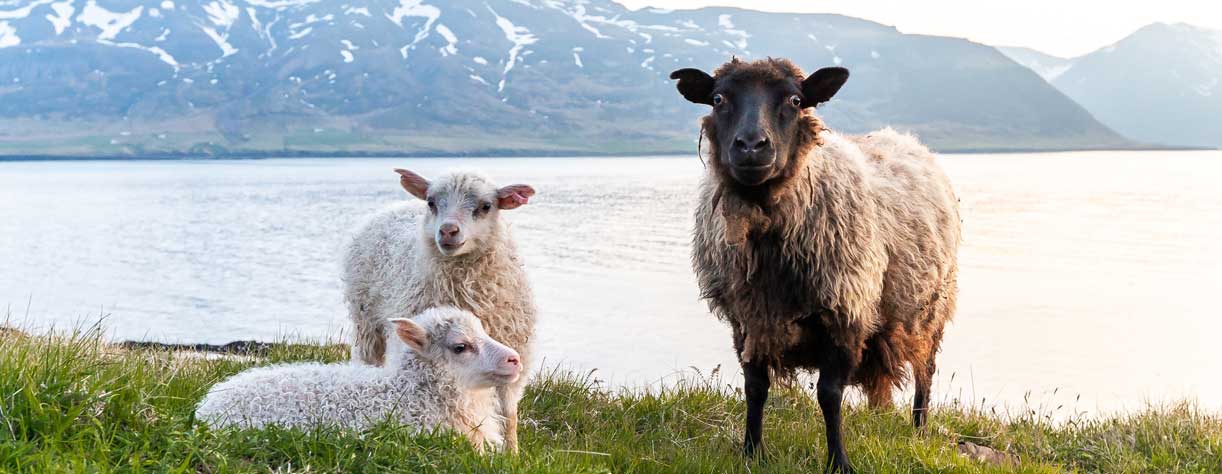
Sheep were brought to Iceland very early in its history, and there are now more than 400,000 - that’s more than the country’s human population! They proved vital for food and wool in the early days and remain an important part of Iceland's economy, cuisine and culture. Both mutton and lamb are eaten everywhere.
Icelanders also have a real fondness for rhubarb, which is now grown abundantly both commercially and in home gardens, despite its introduction only in the early 20th century. Potatoes, another later arrival, have also become a staple of Icelandic cuisine and are enjoyed in all the familiar ways; mashed, boiled, baked or turned into chips.
YOU MIGHT ALSO LIKE: What to Pack for an Iceland Cruise
Must Try Icelandic Dishes and Local Specialities
Discovering and uncovering Iceland’s cuisine is all part of the journey. From deep-rooted classics that are steeped in tradition, to unique and quirky flavours that tantalise the palate. Iceland offers a range of dishes you won’t find anywhere else. Here is some must‑try Icelandic food to give you a true taste of the country’s culture.
Icelandic Lamb
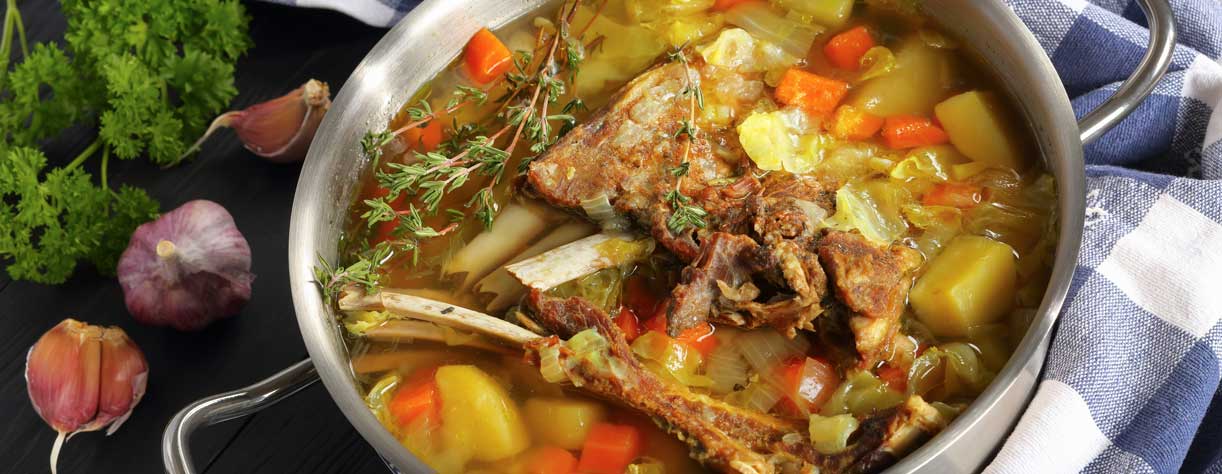
Icelandic lamb is highly prized for its flavour, and this reputation is well deserved. The flavour no doubt comes from the lambs’ diet of fresh, free-range grasses and herbs. If you’re visiting a local Icelandic restaurant, then expect to see Roasted lamb (kjötsúpa) and smoked lamb (hangikjöt) on the menu.
Icelandic Hot Dogs (Pylsur)
Icelandic hot dogs, or pylsur in the native language, are often described as the country’s unofficial fast food and are loved by all who try them. Icelandic hot dogs, unlike their American counterparts, are made with a blend of lamb, pork, and beef, making them distinct from hot dogs you may have tried before.
Icelandic hot dogs can be found almost anywhere; you’ll even see local roadside stands selling the delicious treats, so keep your eyes peeled on your 2026 cruise holiday.
Arctic Char & Smoked Trout
Arctic char is a cold-water fish native to the Arctic and is often sustainably farmed in Iceland. Its flavour palette sits somewhere between salmon and trout and is rich, delicate and sometimes sweet.
Trout is common in Iceland’s rivers and lakes, and traditional smoking methods are used to preserve it. Those who try it will notice the mild, flaky, slightly sweet flavour with a subtle smokiness.
Fermented Shark (Hákarl)
A traditional Icelandic dish, hákarl, is fermented Greenland shark, or sometimes the closely related sleeper shark. On its own, the meat of this shark is toxic when fresh due to extremely high levels of urea and trimethylamine oxide. In years gone by, Icelanders developed the fermentation process to make the shark safe to eat.
Dried Fish (Harðfiskur)
Arguably one of the oldest foods mentioned in this guide, dating back to the Viking era, harðfiskur is a dried fish and is often enjoyed as a snack. Typically made from haddock, cod or wolffish, which is air‑dried outdoors using the natural cold wind - no salt or preservatives needed. The drying process enhances the flavour and gives the dish a distinct, light, and crispy texture.
Sweet Treats and Everyday Icelandic Snacks
Skyr
A thick and creamy dairy product, skyr is another of Iceland’s iconic traditional dishes. Made in Iceland for thousands of years, skyr tastes similar to Greek yoghurt, but it is technically a fresh cheese made by incubating skimmed milk with live cultures and then straining it to reveal the creamy texture it is known for.
Rye Bread (Rúgbrauð)
Rúgbrauð is a dense, dark rye bread and is traditionally baked in geothermal heat or steamed. Dense and mildly sweet, it is often served with butter or smoked fish, and it has a moist texture and a long shelf life.
Natural foods of Iceland
As with most island nations, there’s one abundant source of food for those who know how to exploit it: the sea. The population of Iceland has been sustained for generations on fish, especially cod, herring, halibut and haddock. Sharks are caught and eaten, too.
Langoustines, or Norway lobster, can also be caught off the coast, and have long been a prized seafood, while mussels and scallops are always on the menu too. The sea also provides abundant kelp, which the Icelandic people have mastered in the kitchen. It can be eaten as a side, as a salad or in pies and bakes, and gives a hit of umami you’ll never forget.
Back on land, natural food might seem sparse, but there’s a richness of choice for those who know what they’re looking for. Crowberry is an evergreen shrub that produces small black berries, which often find their way into jams and desserts. Bilberries are similar to blueberries and can be eaten raw or used in sauces and preserves.
Even those remaining birch trees are a source of food in Iceland. The leaves are edible, and the sap can be tapped to make a syrup, rather like maple syrup. There’s also a host of herbs that the early settlers would have discovered. Angelica, Arctic thyme and sorrel are all native to here.
Where to Enjoy Icelandic Food While Exploring the Country
As you journey through Iceland’s dramatic landscapes, you’ll find that its culinary treasures are never far away. From cosy countryside cafés to bustling Reykjavík eateries, there are countless places to sample authentic Icelandic flavours and local favourites along the way.
Local Restaurants and Harbourside Cafés
Local restaurants and harbourside cafes are great places to enjoy fresh seafood, traditional lamb dishes and Icelandic dishes with a modern twist.
Street Food Markets
Looking to try a bit of everything and really immerse yourself in Icelandic cuisine, then a street food market is a great place to start, and Reykjavík has an abundance of them.
Grocery Stores
Grocery stores are a gold mine of Icelandic snacks, whether you’re looking for dried fish, skyr or even fresh bread, you’re bound to find it in a local store.
Iceland is rightfully proud of its cuisine. It is the food that helped literally build a nation from the raw gifts of nature. As you explore Reykjavík, Ísafjörður, Akureyri, Seyðisfjörður and more on your Icelandic cruise, we’d urge you to seek out these incredible dishes.
If you’re planning an Iceland cruise but Italian, Indian, Thai and American dishes are more your style, then there is no shortage of great options in the city. But until you’ve eaten some harðfiskur with friends, you might not fully understand what Icelandic cuisine is all about.
Answering FAQs about Icelandic cuisine
What food is Iceland most famous for?
Iceland is famous for a whole host of wonderful dishes, but predominantly its selection of local lamb dishes, Icelandic hot dogs and fresh seafood.
Is Icelandic food expensive?
Icelandic food tends to be more expensive than in other countries you may visit on a cruise, especially if you choose to dine out frequently.
Where can I try traditional Icelandic dishes on a cruise stop?
Reykjavík is one of the best cruise ports for enjoying traditional Icelandic dishes, thanks to its vast array of eateries and dining options.
What are the best foods to try for first time visitors to Iceland?
If you’re visiting Iceland for the first time and want to know what to try, then we’d recommend Icelandic lamb, hot dogs and fresh seafood.
Is Icelandic cuisine suitable for picky eaters?
Yes, Icelandic cuisine can be suitable for picky eaters, as long as you know what to look for. While Icelandic food is famous for bold dishes like fermented shark and dried fish, the everyday food scene is actually very mild, simple and familiar.