Start the festive season in style with this uplifting celebration of dance. Soak up the warm atmosphere on board Borealis, enjoy delicious dining and the friendly, attentive service that makes a Fred. Olsen cruise so special. Whether you'd like to watch world-class performances, learn something new, join in the fun or simply enjoy the occasion, there's plenty to look forward to.
Joining us throughout the cruise are Olivier Award-winning choreographer Dame Arlene Phillips and professional dancer Ian Waite, who will host exclusive events including An Audience With sessions, meet-and-greets and a special dance masterclass. Alongside these highlights, enjoy workshops, social dancing, production shows, film screenings and guest entertainment, all building towards a Gatsby-inspired finale party with a festive twist.
An exclusive interview with Dame Arlene Phillips and Ian Waite
From first steps and favourite rhythms to storytelling, confidence and the magic of dancing surrounded by the ocean, they share why music and movement have such a special way of bringing people together, and how the dance floor can open the door to a joyful new chapter.

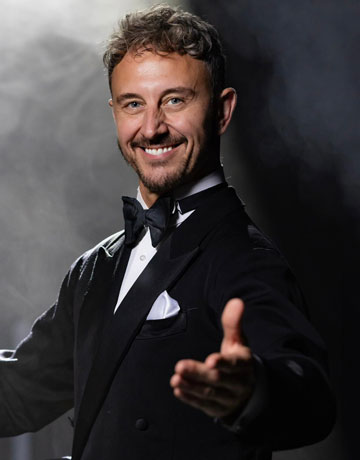
Dance has a wonderful way of bringing people together
For Arlene, the connection begins with music and movement.
“Music and movement reaches to the heart, mind and soul, encouraging people to discover the joy of dance,” she says. “Whether it’s in a class or at a huge concert, there is nothing as exciting as everybody dancing. It never fails.”
Ian agrees that dance has a place for everyone, whatever their age or experience.
“I think dance is something for everyone,” he says. “It spans many generations, from a child going to their first ballet lesson to a pensioner going to a local tea dance.”
Taking the first step
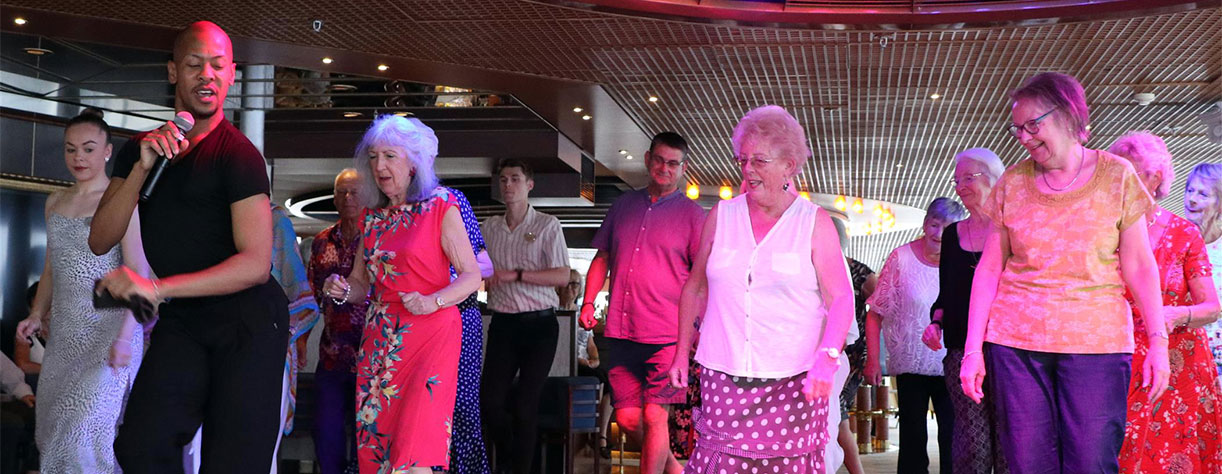
Ian’s advice for anyone feeling nervous is simple and reassuring.
“I’d say just start a beginner class somewhere,” he says. “Everyone has to start somewhere.”
Arlene suggests beginning with the smallest possible movement and letting the music do the rest.
“Step one, stand up. Step two, let the music take over and just start walking on the spot,” she says. “Then follow the rhythm of the music. It’s easier than you think, because suddenly your walk turns into a dance.”
“For anyone who isn’t able to stand, it’s easy to join in too. Move your arms to the music, flex your feet, feel the rhythm through your body and move in whatever way you can.”
When it comes to building confidence, Ian believes the best teachers meet people where they are.
“Always teach the person to their own ability,” he says. “Being a good teacher is being able to adapt to your pupil. This is the most important thing.”
Inspired by dance around the world
For Ian, Latin American styles hold a particular fascination.
“I’ve never been to South America, but most Latin American dancing comes from there,” he says. “Samba, Rumba, Cha Cha – these dances all originated there.”
Arlene has found inspiration in many styles, from Argentine Tango to contemporary dance.
“There are so many genres of dance from all over the world,” she says. “My love and passion is Argentine Tango, and contemporary dance inspires me to tell a story through movement. But the biggest one for sheer pleasure is disco. Think Saturday Night Fever – there’s nothing quite like it.”
Dancing surrounded by the sea
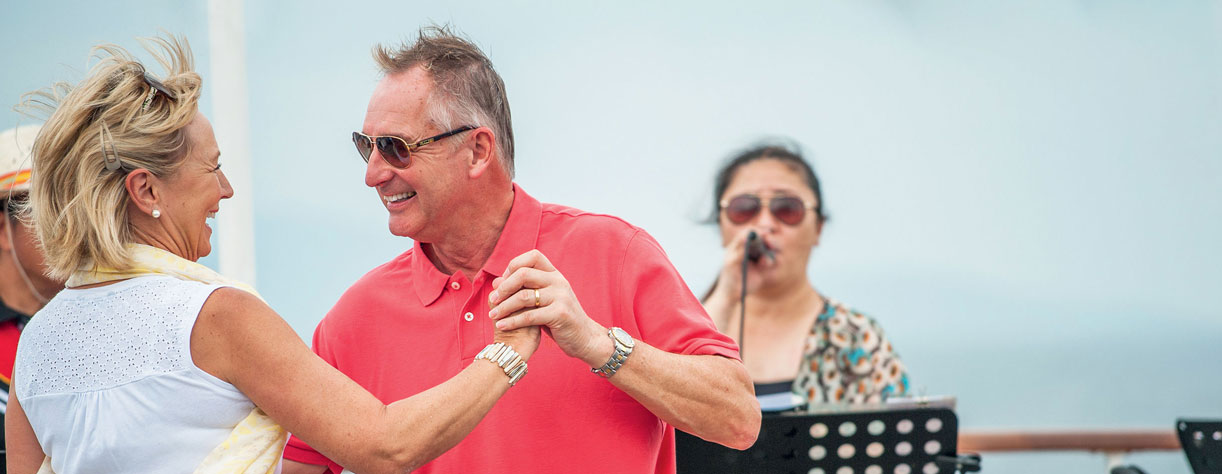
Ian has fond memories of dancing while cruising.
“I do think it creates a different atmosphere,” he says. “I’ve loved dancing whilst cruising. It feels very special to be with a group of like-minded people whilst floating on the sea.”
For Arlene, the sea adds a sense of movement, freedom and theatre.
“I think dancing at sea is exciting because you never know what the ship is going to do,” she says. “Is it going to tilt and sway so that your body moves with it? Or will it be steady, and you suddenly realise that you are dancing while all around you is the sea? That in itself is inspiring and makes you want to put your hands in the air and dance. I don’t think there’s anything like dancing on the open seas.”
Stories told through movement
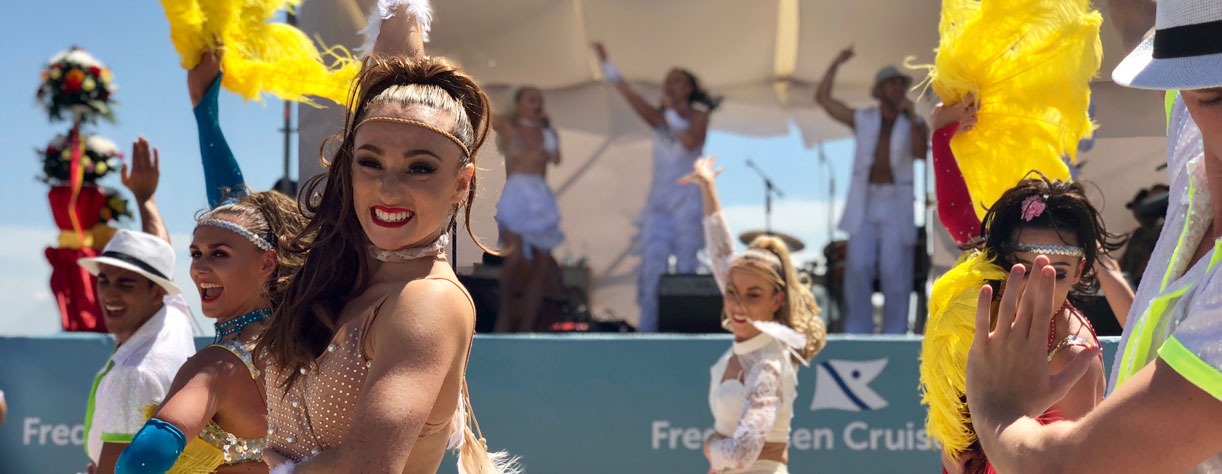
For Arlene, dance becomes truly memorable when it tells a story.
“Dance is a language all of its own,” she says. “As a choreographer, it’s important to turn dance steps into a story.”
She recalls seeing West Side Story as a teenager at The Palace Theatre in Manchester, and says its choreography has stayed with her ever since.
“I’m 83 now and I can remember every moment of that inspiring story,” she says. “The battles between the Jets and the Sharks are an incredible example of storytelling through dance that will never leave you.”
Arlene also points to classical ballet and contemporary dance as powerful examples of storytelling without words.
“Dance is one of the most powerful ways to tell a story,”she says. “In classical ballet, beautiful movements and gestures communicate emotion, such as in Sleeping Beauty, where characters communicate through beautiful arm gestures. Contemporary dance can be just as powerful, with companies like Rambert transforming stories such as Peaky Blinders into dance, and choreographers like Matthew Bourne creating pieces that tell complete stories and are seen all over the world. It’s powerful because it’s so physical.”
The joy of dancing together
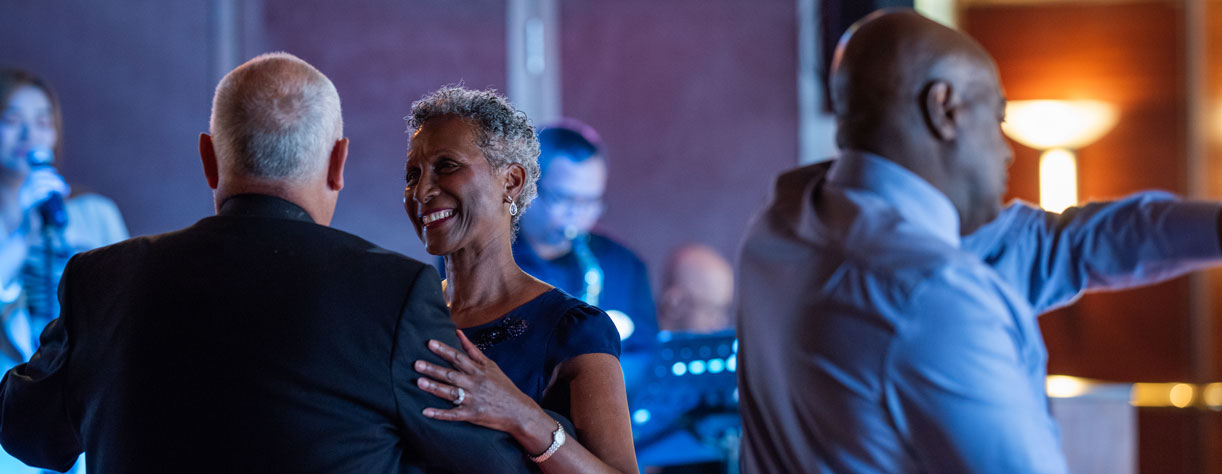
For Ian, ballroom dancing is special because it creates communication without words.
“You learn how to communicate through dance,” he says. “It’s a lead, follow, expression and feeling – and dancing with someone always gives you joy.”
So, if guests try just one dance style during the sailing, what should it be?
Ian recommends starting with the classics.
“When you go to a dancing school, the first two dances you learn are always the Cha Cha and Waltz, because they are the easiest to pick up.”
For Arlene, there is only one answer.
“Disco,” she says. “Everyone on the ship can find a way of turning walking into dance. There’s nothing like it.”
A joyful new chapter
Ian’s hope for Fred. Olsen guests is beautifully simple.
“I just hope they have fun,” he says. “Enjoy yourselves and have a go.”
Arlene hopes guests leave feeling inspired by the stories she shares.
“I hope people take away an understanding of who I really am,” she says. “I came from a very poverty-driven background and had no idea that my world in dance would ever turn out the way it has - the incredible people I’ve worked with, the joy of family, and the extraordinary, fabulous times along the way. I hope my stories inspire people.”
Read more from The Bridge
A world of celebration, inspired by the beautiful game

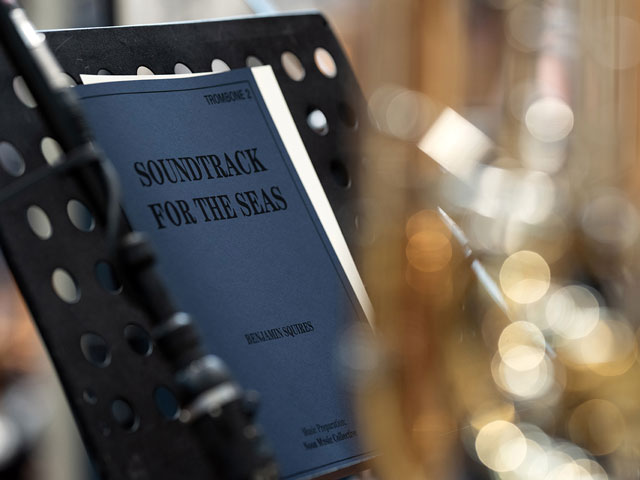
Introducing Soundtrack for the Seas
Game, set and strawberries