


Japanese cuisine is more than just food; it is a window into the country’s history, customs and seasons. Many of our world cruises stop off in Japan, and if you are visiting by cruise, sampling the local food is a vital part of cultural immersion.
If you wander through the streets of a Japanese town or city on a shore tour, you will be greeted by an intoxicating blend of aromas. From the savoury steam of miso soup rising into the morning air to the delicate artistry of a sushi chef at work, Japan is a hotpot of flavours.
Understanding these flavours and the etiquette behind traditional Japanese food will deepen your appreciation and enrich every dining experience ashore.
In this guide, we will help you discover some of the best dishes to try, highlight regional specialities, and the different dining customs in the country, so that you will have an unforgettable gastronomic experience.
What are the foundations of traditional Japanese cuisine?
Influenced by Buddhist teachings, the foundation of traditional Japanese cooking rests on five core principles: colours, flavours, cooking methods, senses, and reflection. Each principle is connected to the natural world and the five elements: Earth, Water, Fire, Wind, and Space.
Dating back to the 6th century, when Buddhism first arrived in Japan, these five factors not only influenced religious architecture and art, but also the food itself. In a traditional Japanese meal, you’ll find the five colours of white, black, red, green and yellow.
Dishes are also designed to offer a harmony of five flavours: salty, sweet, sour, bitter, and savoury, or umami, a taste Japan is famous for. Meanwhile, the five senses of sight, sound, smell, taste, and touch are thoughtfully engaged to make the experience truly immersive.
Historically, Japanese cuisine employs five distinct cooking methods: raw, simmered, steamed, grilled, and fried. Each method is used to highlight the natural qualities of fresh, seasonal ingredients.
Japanese cuisine also reflects a more mindful way of eating, shaped by the shojin ryori traditions of Zen Buddhist monks. This includes five attitudes: gratitude for the food’s journey from nature to plate, being worthy of the meal, eating in peace, nourishing both body and spirit, and seeking enlightenment in the process.
In practice, these values come together in what’s known as ichiju-sansai. This is a traditional meal layout consisting of one soup, three side dishes, and a bowl of rice. Common ingredients such as miso, soy sauce, seaweed, rice, and fresh seafood highlight Japan’s deep connection to the land and sea.
What are popular Japanese foods to try?
Japan is home to a variety of iconic dishes that cater to every palate. On Fred. Olsen cruises to Japan, you will be able to explore some of the country's amazing cities and taste some of the country’s most famous dishes. Whether you're a seasoned foodie or simply curious to try something new, read on to discover some of the most popular and beloved Japanese cuisines and dishes that you can try to start your culinary journey ashore.
sushi
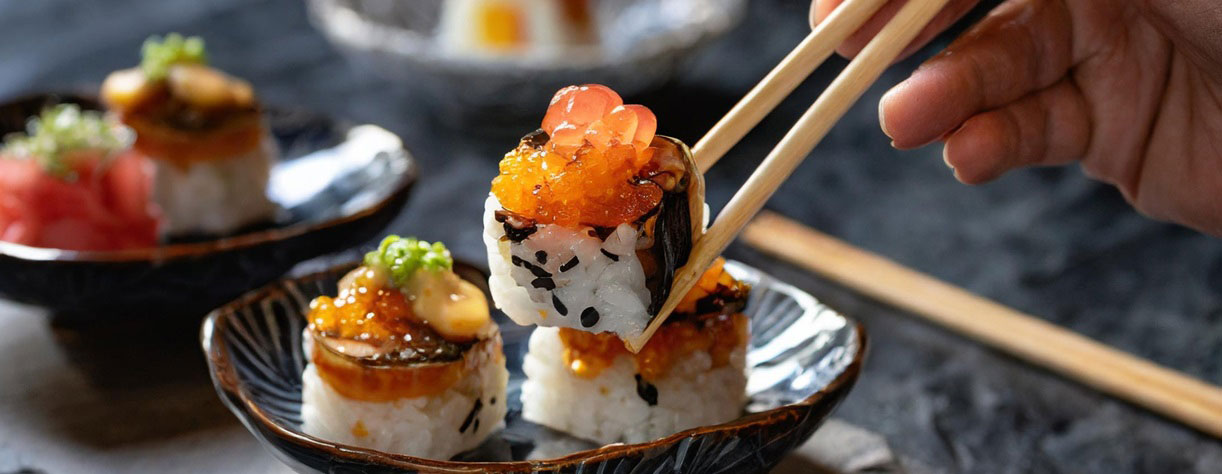
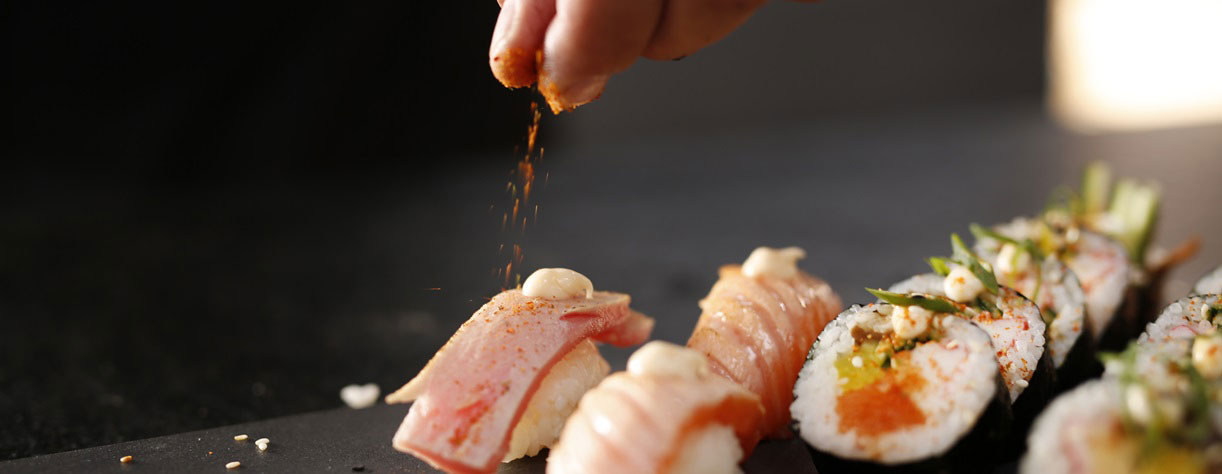
Arguably Japan’s most internationally recognised dish, Sushi is a combination of vinegared rice, fresh fish, and seasonal vegetables. The origins of this dish date back centuries, and it is a method of preserving fish in fermented rice, known as narezushi.
There are various types of Sushi, ranging from traditional nigiri to modern maki rolls, and vegetarian options, such as cucumber rolls, are also widely available.
Margot Harbot, the writer behind the Love To Wander blog, recommends some great places in Tokyo to try Sushi: “If you are going to sample sushi in Japan, then Tokyo’s famous Tsukiji Fish Market has to be the best place to do it. Around 2000 tonnes of seafood are traded here daily, guaranteeing you the freshest sushi your yen can buy.”
Sashimi
Sashimi is a dish served without rice, consisting of fresh, thinly sliced raw fish and other seafood. The dish showcases the freshness and natural flavours of the seafood, and it is typically garnished with daikon radish, pickled ginger and a touch of wasabi.
The dish is particularly popular in coastal areas, such as Tokyo Bay and Hokkaido, and tuna, salmon, and yellowtail are among the most popular choices for sashimi. Still, other seafood like octopus, squid, and scallops are also available.
Ramen
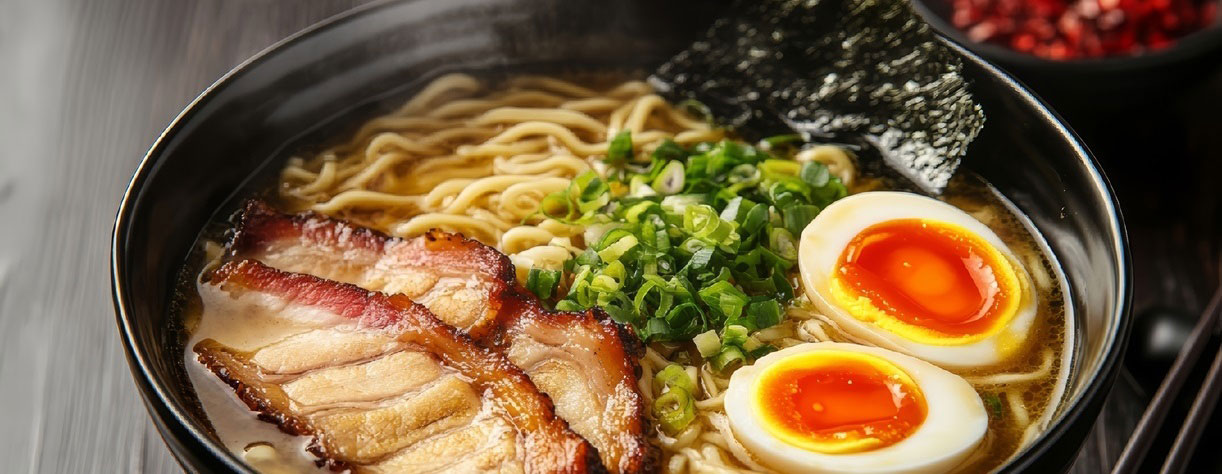
What started out as a Japanese street food has evolved into a dish that is popular around the world. Each region of Japan has its own variation of Ramen, from the rich, pork-based tonkotsu broth of Fukuoka to the soy-based shoyu styles of Tokyo.
The toppings for Ramen also differ depending on where you are visiting, but they may include braised pork belly (known as chashu), seasoned boiled egg (ajitsuke tamago), tofu, bean sprouts, corn, mushrooms, spinach, and scallions.
Katie & Ben from the Two Wandering Soles blog share, “While the more traditional version of this dish comes with a thin slice of pork, a nori (seaweed) sheet, a soft boiled egg, and a pile of shredded green onion, you’ll find versions of ramen with seafood, ground pork, chicken, and a variety of vegetables. The noodles can vary as well.”
Tempura
Originally introduced in the 16th century by Portuguese missionaries, Tempura is a dish where vegetables, seafood, or mushrooms are lightly battered and deep-fried until they are crispy.
In seafood Tempura, shrimp, squid, and white fish are typically used, whilst sweet potato, aubergine, bell pepper, lotus root, and mushrooms are the traditional ingredients used in the vegetable variety of the dish.
The dish has become a staple of Japanese cuisine, and it is normally served with a dipping sauce called tentsuyu, alongside rice and noodles. Tempura is found everywhere, from street food stalls to high-end tempura restaurants. It reflects the Japanese culinary principle of seasonality and simplicity, allowing the natural flavours of ingredients to shine.
Udon
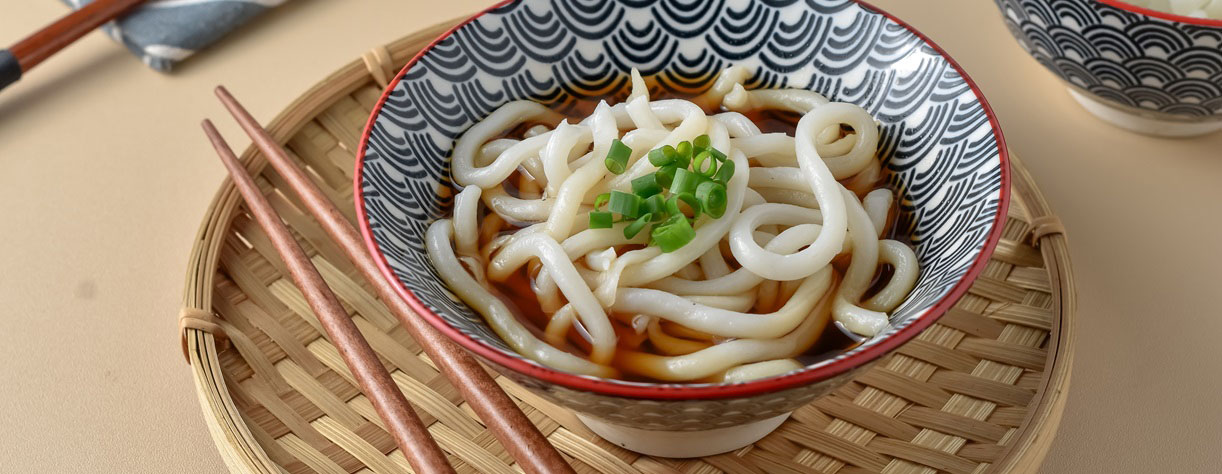
Made from wheat flour, water, and salt, these thick, chewy noodles are beloved for their satisfying texture and subtle flavours. In Japan, it is typically served in a hot broth, known locally as Kakejiru, which is made from soy sauce, dashi, and sweet rice wine called Mirin.
The toppings for this dish vary depending on the area of Japan you are in and the season of your cruise, but you can enjoy scallions, shrimp, vegetables, Kamaboko (a type of fish cake), poached egg, Wakame seaweed, or grated ginger.
Udon is more than a meal; it is a symbol of Japanese regional pride and culinary craftsmanship, and you can find this popular dish in restaurants across Japan, including speciality restaurants.
Okonomiyaki
This hearty pan-fried dish consists of batter and cabbage, but an array of ingredients and toppings are added, varying from meat and seafood to wasabi and cheese. The name ‘okonomi’ means to one’s liking.
You can enjoy okonomiyaki at restaurants specialising in the dish, where it's often cooked right in front of you, making for a fun and interactive dining experience.
The dish is available all over Japan, but it originated in the cities of Hiroshima and Osaka, and these are considered the best places to taste this savoury pancake. You can visit Osaka, situated at the mouth of the Yodo River in the Kansai region of Japan, on one of our world cruises.
Yakitori
Yakitori are customarily skewered chickens that are grilled over charcoal and seasoned with salt or a sweet soy-based glaze known as tare. You will also find vegetarian skewers available that contain mushrooms and peppers.
This dish is commonly found in street markets or Japanese pubs, known as izakayas, and is normally served in small portions and enjoyed with a cold drink.
What regional Japanese specialities to try in each port
One of the best aspects of exploring Japan by cruise is the opportunity to taste local foods and observe how they vary from port to port. Each region brings its own flavours, techniques and culinary stories, offering a deeper understanding of Japanese culture through its cuisine. Whether you're dining in the heart of a bustling city or browsing a centuries-old food market, these regional dishes provide an authentic taste.
Tokyo
Speciality dishes: Edomae Sushi & Monjayaki
In the capital, Tokyo, two popular regional dishes to try are Edomae Sushi & Monjayaki. Edomae sushi uses fresh seafood sourced from Tokyo Bay, and it is characterised by its preparation method, which was developed during the Edo period (17th-19th centuries), preserving the fish by curing it with vinegar or salt.
Another favourite dish in Tokyo and the Kanto region is monjayaki, a pan-fried savoury batter that is typically cooked directly on a hotplate.
One of the best places to taste both of these regional specialities is at the Tsukiji Outer Market.
Kyoto
Speciality dishes: Kaiseki & Yudofu
Kyoto is regarded as the cultural heart of Japan, and the city is also known for being the birthplace of kaiseki. This multi-course meal embodies the principles of balance, seasonality and presentation. The courses usually are appetisers, a soup, sashimi, grilled dishes, simmered dishes, and a rice course, often followed by a seasonal dessert.
Yudofu is considered comfort food in Japan, made from gently simmered tofu. Nishiki Market is renowned for offering a variety of local ingredients and sweets, making it an ideal spot to sample these regional delicacies.
Osaka
Speciality dishes: Takoyaki & Kushikatsu
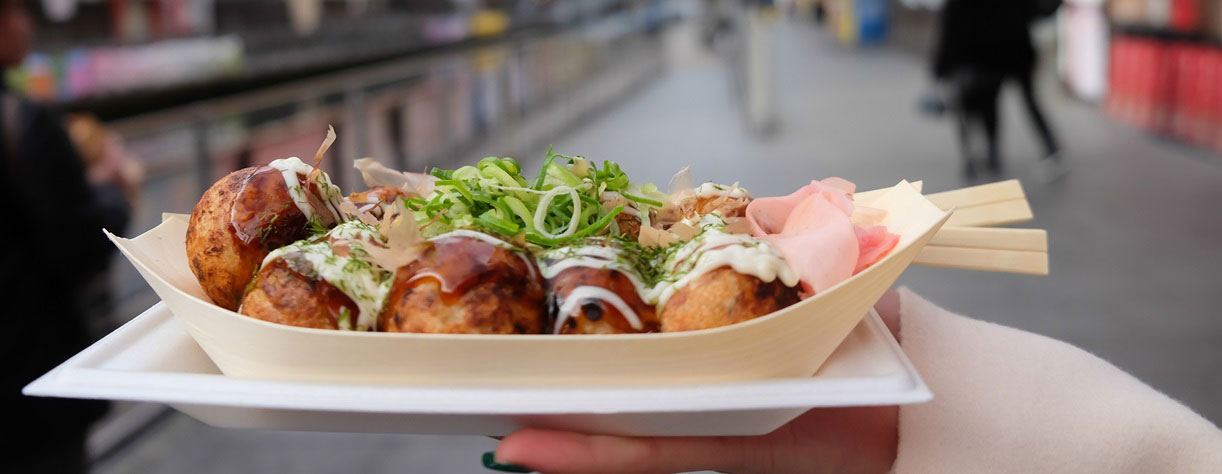
There is a good reason why Osaka is called Japan’s kitchen, as there are so many delicious foods and dishes that you can try. One must-try dish that the city is famous for is Takoyaki, a Japanese street food consisting of small, spherical balls of batter that are typically filled with diced octopus.
Kushikatsu is a Japanese dish of skewered meat and vegetables that have been dipped in batter and fried to golden perfection. It's a popular street food and is considered a local speciality in Osaka.
If you are stopping off in Osaka, you’ll find both in the districts of Shinsekai and Dotonbori, as these areas are home to a buzzing street food scene.
ALSO READ: What To Do On Board a Cruise Ship
Frequently Asked Questions about Japanese Cuisine
What are the most popular Japanese dishes for first-time visitors?
Sushi, ramen, tempura, and yakitori are considered great dishes to try for first-time visitors. They are widely available across Japan.
Are there vegetarian options in traditional Japanese cuisine?
Yes, there are vegetarian options on offer in traditional Japanese cuisine. Tempura, which is a dish consisting of deep-fried vegetables in batter, is the easiest vegetarian Japanese food.
How do I eat sushi correctly in Japan?
Sushi might be the most famous dish to come out of Japan, but there are still lots of questions about how you eat it. It can be eaten with either your hands or chopsticks, but traditionally, locals used their hands.
Is Japanese food healthy?
Yes, as Japanese cuisine emphasises the use of fresh ingredients, low-fat cooking methods, small portions, and fermented foods, which are believed to be beneficial for digestion.
What do I need to know about the dining etiquette in Japan?
Dining in Japan is a deeply cultural experience shaped by centuries of tradition, mindfulness and respect. Here are a few basic customs you can follow:
- It is common to start the meal with the phrase "itadakimasu" ("I gratefully receive").
- When eating from small bowls, you should pick up the bowl with your hand and bring it close to your mouth when eating from it.
- It is polite to use the opposite end of your chopsticks to move food from a shared dish to your own.
- You shouldn’t stick your chopsticks upright in a bowl of rice, as it is considered rude and bad luck in Japan.
- Shoes and slippers have to be removed before stepping on tatami, a soft flooring found in some restaurants.
- Tipping is not customary in Japan.
Discover Japan on a Fred. Olsen Cruise
Japan is a beautiful country, and as we have explored in this guide, it is a haven for foodies. Japanese cuisine is more than just food; it is an experience that offers insight into their culture and traditions.